In the era of rapid development of modern technology, the processing of sheet metal chassis and cabinets has become an indispensable process. Whether in industrial production or in the field of electronic communication, high-quality cabinets and chassis play a crucial role. In order to meet market demand, efficient and precise sheet metal processing technology has emerged.
This article will introduce the importance of processing sheet metal chassis and cabinets, as well as how to create professional products.
Sheet metal chassis and cabinet processing is a process of producing cabinet and cabinet products with specific functions by cutting, bending, welding, stamping and other processes on metal materials. These products are widely used in various industries, such as communication, electronics, medical, military, etc. The use of efficient and precise sheet metal processing technology can ensure the quality and performance of products, improve production efficiency, and reduce costs.
Firstly, efficient and precise sheet metal processing can ensure the quality of the
cabinet and
chassis. Through precise size control and the selection of high-quality materials, the cabinet chassis can have excellent structural stiffness and stability. This not only protects the safety of internal equipment, but also effectively reduces the failure rate of equipment and extends its service life.
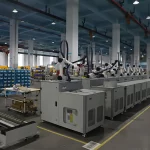
Secondly, efficient and precise sheet metal processing can improve production efficiency. By adopting advanced production equipment and processes, processing time can be significantly reduced and production capacity can be increased. At the same time, the application of automated production lines seamlessly connects various process links, improving production efficiency and product quality stability.
Finally, efficient and precise sheet metal processing can reduce production costs. Through reasonable process planning and optimization, reducing manual operations and material waste can effectively reduce production costs. Meanwhile, efficient and precise production processes also mean less investment in human resources and lower equipment maintenance costs.
In summary, efficient and precise sheet metal processing is the key to creating professional cabinet cases. By precise size control, high-quality material selection, advanced production equipment and process flow, product quality and performance can be guaranteed, production efficiency can be improved, and production costs can be reduced. In a fiercely competitive market environment, these advantages will make your product stand out in the market.