






Send Message
Privacy statement: Your privacy is very important to Us. Our company promises not to disclose your personal information to any external company with out your explicit permission.


When designing a bus chassis, we must fully understand its basic structure and function. A bus chassis mainly consists of a frame, suspension system, powertrain, and braking system. The frame is the skeleton supporting the entire bus structure, responsible for bearing the weight of the vehicle and the load of passengers, while also withstanding various forces generated during operation. Therefore, frame design must consider not only material strength but also rigidity and flexibility to ensure driving stability.
The suspension system acts as a buffer, protecting the vehicle from road unevenness and improving comfort and safety. It effectively prevents vibrations from being transmitted to the vehicle interior, ensuring passenger comfort. The powertrain provides the bus with power, ensuring smooth operation in various road conditions. In this regard, we typically choose high-performance and cost-effective engines to meet the stringent energy consumption and range requirements of the transportation industry.
Finally, the braking system is a crucial guarantee of bus safety performance; it must possess high reliability to cope with various emergencies. In this regard, we need to pay attention to the selection of braking materials and the development of braking technology. Meanwhile, modern technology has brought numerous innovations to chassis construction. For example, the use of lightweight alloys or carbon fiber composites can further reduce chassis weight and improve overall performance. Therefore, in the bus chassis manufacturing process, a deep dive into its structure and function helps to comprehensively improve product quality and market competitiveness.
In the manufacturing process of bus chassis, material selection has a crucial impact. We typically prioritize high-strength steel and aluminum alloys, as these materials not only withstand heavy loads but also possess excellent corrosion resistance. Studies have shown that using high-quality steel can significantly improve chassis durability and safety, thereby extending the vehicle's service life. Furthermore, although aluminum alloys are slightly more expensive, their lightweight properties effectively reduce overall vehicle weight and improve fuel economy.

When selecting materials, we also need to consider their machinability and weldability. This means choosing materials that are easy to machine and possess good weldability to ensure accurate assembly of all components. In addition, the heat treatment process of the materials is equally important, as it enhances the strength and toughness of various chassis components, thereby improving overall performance.
It is worth noting that the properties of materials required for different types of bus chassis may vary. For example, city buses and long-distance buses require consideration of different operating environments and usage conditions. Therefore, during the design phase, we need to fully assess the impact of different materials on chassis performance, cost, production efficiency, and other aspects to make scientific and reasonable decisions. This meticulous material selection process directly affects production quality and the subsequent performance of the vehicles in actual operation.
Material Pretreatment and Processing Details
In the manufacturing process of bus chassis, material pretreatment and processing details are crucial aspects that cannot be ignored. We first need to select high-quality raw materials, such as high-strength steel and aluminum alloys. These materials not only possess excellent mechanical properties but also effectively improve the overall safety and durability of the chassis. Next, the material pretreatment stage is equally important. In this stage, we clean and degrease the metal surfaces to remove any dirt and grease that may affect subsequent welding, coating, and surface treatment. This meticulous treatment ensures the smooth progress of various processes.
In the processing stage, we employ advanced stamping, shearing, and welding technologies to ensure that each component precisely matches the design requirements. Especially in welding processes, we typically use automated welding equipment, which not only improves production efficiency but also enhances weld quality. Furthermore, during heat treatment, we control heating and cooling rates to improve the material's microstructure, thereby enhancing its mechanical properties.
These process requirements are not isolated but interconnected and complementary. For example, good pretreatment creates optimized conditions for subsequent welding, while superior machining techniques ensure a good fit between the final chassis components. We continuously optimize these details throughout the manufacturing process to improve the reliability and lifespan of our bus chassis products, bringing more efficient and safer solutions to the transportation industry.
In the manufacturing process of bus chassis, the assembly process is crucial. We must ensure that every component fits perfectly, which not only affects the structural stability of the entire vehicle but also directly impacts driving safety. Therefore, at this stage, we need to pay special attention to positioning accuracy, standardized procedures, and quality inspection.
First, before assembly, all components undergo rigorous quality inspection. We ensure that each component meets design specifications and durability requirements. Next, we use precise positioning technology to assemble each chassis component into its correct position. This stage utilizes high-precision fixtures and measuring tools to ensure that every step of the assembly process is as accurate as possible and meets design requirements.

During assembly, we also pay attention to the compatibility between different materials, such as how to effectively connect metal and plastic components, while avoiding instability caused by different coefficients of expansion. Furthermore, various connection methods, including bolting, welding, and gluing, are selected based on the characteristics of each component to achieve optimal fixation.
Finally, we conduct post-assembly quality inspections. This includes checking welds, bolt tightness, and the overall structure to ensure the safety and reliability of all components during use. Through these rigorous and professional processes, we strive to achieve the highest standards in bus chassis manufacturing, thus laying a solid foundation for future use.
In the field of bus chassis manufacturing, continuous improvement and innovative technology applications are key to ensuring product quality and safety. We consistently focus on the research and application of new materials and processes. For example, in recent years, we have begun using lightweight alloy materials, which not only reduces the chassis's weight but also improves fuel efficiency, thereby reducing environmental impact. Throughout this process, we emphasize material selection and testing to ensure their performance in terms of strength and durability.
Simultaneously, smart manufacturing technologies are continuously permeating our production processes. By introducing automated equipment and digital systems, we can monitor production line status in real time, improving production efficiency and reducing human error. This technology not only increases production flexibility but also enables us to respond quickly to changes in market demand, improving the timeliness of product delivery.
Furthermore, in terms of process improvement, we have significantly enhanced the strength and stability of the chassis structure by introducing advanced welding and assembly technologies, such as laser welding and robotic automated assembly. These innovations allow our chassis to maintain excellent performance even under extreme working conditions.
To adapt to ever-changing market demands, we also actively participate in the development of industry standards and collaborate with relevant organizations for product testing and certification. Through these continuous efforts and innovations, we are constantly driving the development of bus chassis manufacturing processes to higher levels, achieving the goals of greater safety, efficiency, and environmental friendliness.
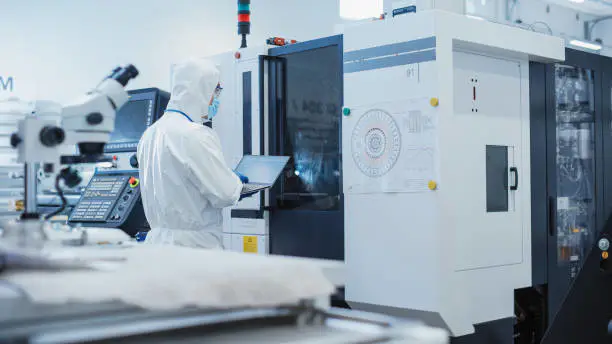
Explore precision machining for biopharmaceutical equipment, including material selection, design optimization, sheet metal fabrication, and quality control.
Explore aerospace sheet metal processing, from precision cutting and forming to welding and finishing, for reliable custom aerospace components.
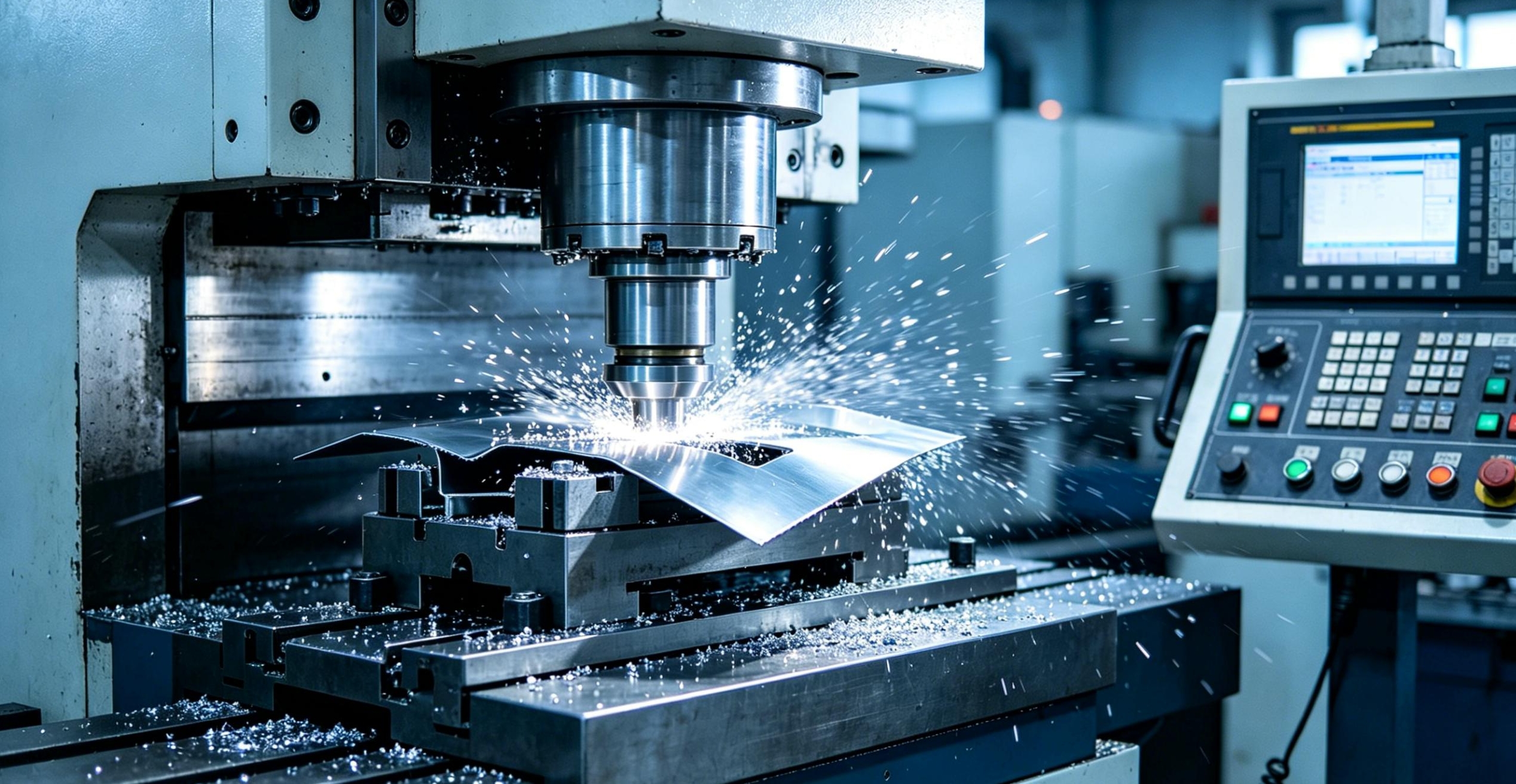
Discover how advanced CNC technology is transforming custom machined parts with higher precision, faster production, flexible volumes, and smarter manufacturing.
Learn how CNC machining tolerances impact automotive component accuracy and reliability, including standards, key factors, and precision manufacturing solutions.
Email to this supplier
Author:
Ms. CTT TECHNOLOGY (UK) LIMITED
E-mail:
Phone/WhatsApp:

Privacy statement: Your privacy is very important to Us. Our company promises not to disclose your personal information to any external company with out your explicit permission.