







Send Message
Privacy statement: Your privacy is very important to Us. Our company promises not to disclose your personal information to any external company with out your explicit permission.


In the design and production of new energy storage cabinets, sheet metal processing is a crucial step. We understand that energy storage cabinets are primarily made of metal, involving various processing techniques. Sheet metal processing not only includes basic processes such as cutting, bending, and welding, but also needs to consider complex design requirements and functional performance. These processes significantly impact the structural strength, sealing, and heat dissipation performance of the energy storage cabinet. Therefore, during sheet metal processing, we must pay attention to material selection and thickness to ensure it can withstand the load from internal components. Furthermore, good assembly precision is also an important factor in improving the quality of the energy storage cabinet. The rational use of different sheet metal processing techniques can not only achieve design goals but also minimize material waste and improve production efficiency. Facing increasingly stringent market competition and environmental requirements, optimizing these processes is particularly important, thus providing a more solid foundation and guarantee for the development of the entire energy storage industry.
Analysis of Customized Energy Storage Cabinet Processing Technology
In the manufacturing process of energy storage cabinets, material selection and processing technology are key aspects. We typically prefer to use high-strength steel or aluminum alloys, which provide the necessary structural strength while also exhibiting high corrosion resistance and thermal stability. These performance characteristics ensure the lifespan and safety of the energy storage cabinet under various environments. Simultaneously, we select advanced technologies such as laser cutting and stamping in the manufacturing process. These processes not only improve material utilization but also allow for more complex design requirements, further optimizing the cabinet structure.
Next, precision control and assembly methods are also crucial factors affecting the performance of the energy storage cabinet. We understand that each component of the energy storage cabinet requires strict control over its dimensions and shape to ensure a perfect fit during assembly. This necessitates the use of high-precision equipment in the production process and rigorous testing of key nodes. During assembly, we prefer bolt connections over welding to facilitate later maintenance and replacement. Furthermore, a reasonable assembly sequence and method can improve the stability of the overall structure, ensuring that the energy storage cabinet does not deform or pose other safety hazards during operation. Therefore, from material selection to processing technology, every aspect has a profound impact on the final performance of the energy storage cabinet.

Common Sheet Metal Processing Technologies and Comparison
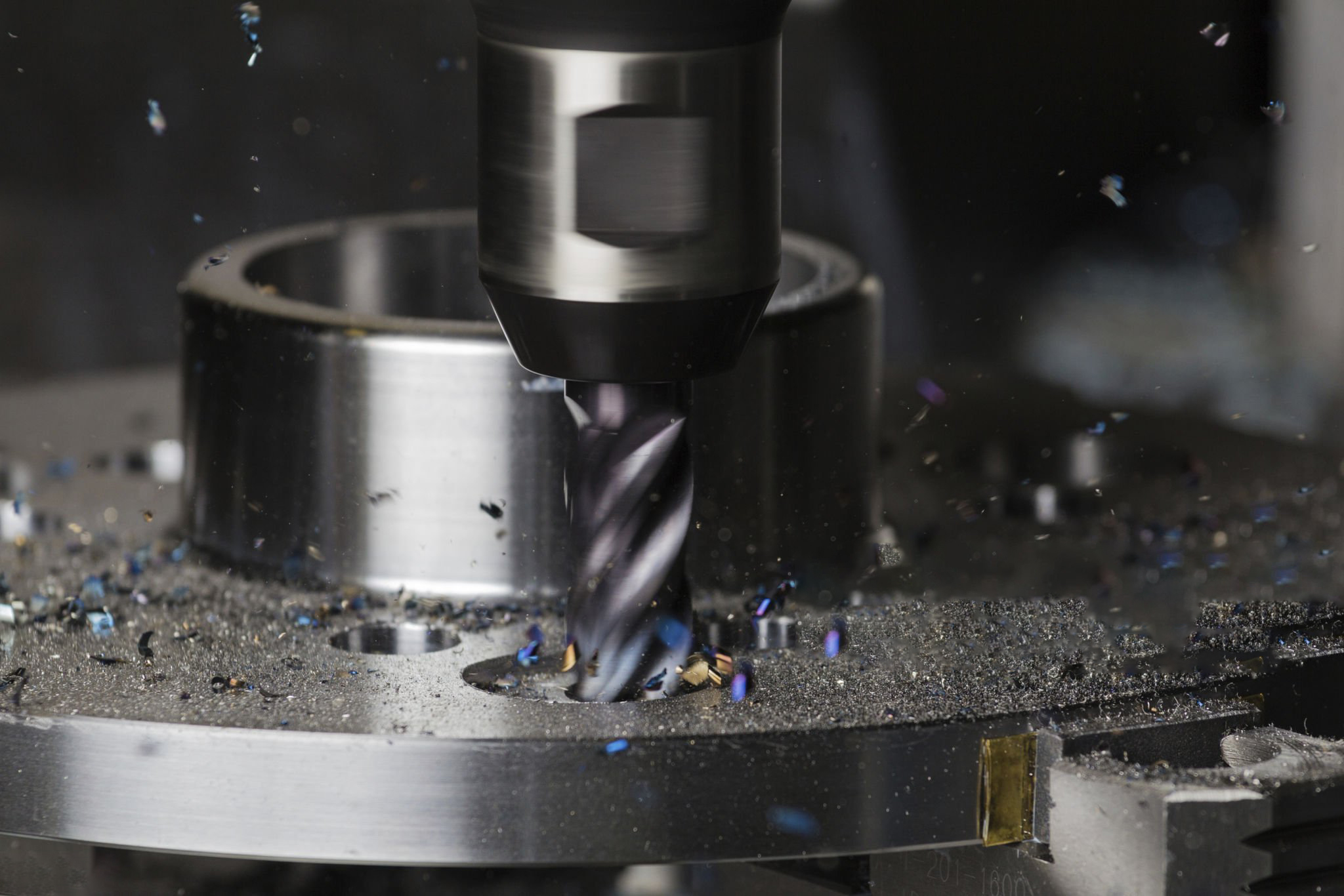
In the sheet metal processing of energy storage cabinets, we widely apply various technologies, each with its unique advantages and disadvantages. First, laser cutting is a high-precision processing method, whose advantages include reduced material waste and smooth cut edges. Furthermore, laser cutting can handle complex graphics and designs, which is particularly important for the customized needs of energy storage cabinets. Secondly, stamping is another common method, using a die to apply pressure to the material to achieve shaping. This method is suitable for mass production because a single die-making process can continuously produce a large number of identical parts, thus offering high economic efficiency.
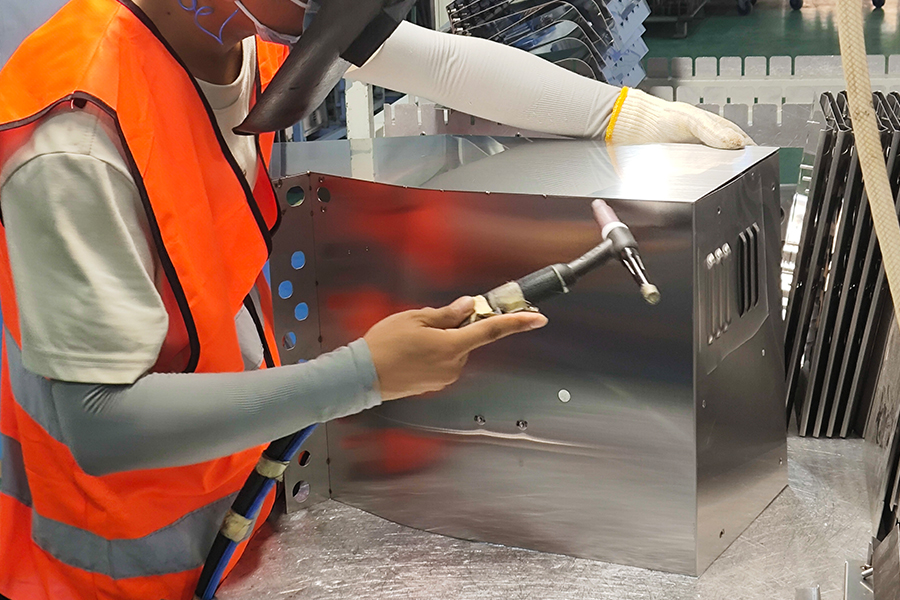
We also consider bending, whose main advantage is its ability to effectively improve structural strength. By properly designing the bending angle and position, the cabinet's resistance to external impacts can be enhanced, thereby improving overall stability. In addition, welding is an indispensable part. In energy storage cabinets, welding is not only used to connect different components but also improves the overall integrity and durability of the product.
Finally, we must compare the impact of these technologies on cabinet performance. For example, in terms of thermal management, the small heat-affected zone created by laser cutting helps maintain the material's performance, while improper welding can lead to localized deformation. Therefore, when selecting appropriate processing technologies, we need to comprehensively consider their long-term impact on the overall performance, production efficiency, and cost control of the energy storage cabinet.
The Impact of Sheet Metal Processing on Energy Storage Cabinet Performance
In the manufacturing process of new energy storage cabinets, sheet metal processing technology plays a crucial role in the overall performance of the cabinet. We understand that material selection directly affects the strength and durability of the cabinet. Using high-strength, lightweight materials not only reduces overall weight but also improves impact resistance, thereby enhancing the safety of the storage device. Simultaneously, precision control is another indispensable factor in sheet metal processing. High-precision assembly between connecting components can effectively reduce stress concentration, thereby lowering the failure rate and extending service life.

Furthermore, different sheet metal processing methods, such as laser cutting, bending, and welding, each have their unique characteristics, which also affect the thermal performance of the energy storage cabinet. For example, improper welding processes can lead to localized overheating of the material, affecting its overall structure. Good heat dissipation design, on the other hand, can improve the efficiency of the energy storage cabinet during operation, positively impacting battery life. Therefore, during the design phase, we need to comprehensively consider various sheet metal processing technologies to ensure that the final product not only meets technical standards but also exhibits excellent performance in practical applications. These factors collectively constitute an indispensable part of modern energy storage cabinet design, laying the foundation for improving overall reliability. The Role and Responsibilities of Energy Storage Cabinet Manufacturers in Sheet Metal Processing
In the sheet metal processing of new energy storage cabinets, the manufacturer's role is particularly crucial. As a professional supplier in the industry, we shoulder multiple responsibilities, including design, production, and quality control. During the material selection phase, we must ensure that the selected materials possess good conductivity and corrosion resistance, which directly affects the safety and lifespan of the energy storage cabinet. Furthermore, we need to implement strict precision control to ensure that every part fits perfectly, thus providing stable support for the system.
In terms of manufacturing processes, we should adopt advanced sheet metal processing technologies, such as laser cutting, bending, and welding, to improve product consistency and quality. Simultaneously, we also need to participate in the assembly process to ensure smooth cooperation between various components. Our responsibility extends beyond product delivery to include providing corresponding technical support and after-sales service, helping customers solve problems encountered during use.
In addition, focusing on environmental protection and material utilization during the production process is also one of our important responsibilities as a responsible manufacturer. Actively adopting sustainable development concepts helps enhance the company's image while reducing production costs. Therefore, in the field of sheet metal processing, we must not only pursue efficiency and precision, but also pay attention to social and environmental responsibility in order to achieve long-term development.
Explore aerospace sheet metal processing, from precision cutting and forming to welding and finishing, for reliable custom aerospace components.
Discover how advanced CNC technology is transforming custom machined parts with higher precision, faster production, flexible volumes, and smarter manufacturing.
Learn how CNC machining tolerances impact automotive component accuracy and reliability, including standards, key factors, and precision manufacturing solutions.
Discover how precision machining supports HPP equipment manufacturing with high-quality custom metal parts, CNC machining, and sheet metal fabrication solutions.
Email to this supplier
Author:
Ms. CTT TECHNOLOGY (UK) LIMITED
E-mail:
Phone/WhatsApp:

Privacy statement: Your privacy is very important to Us. Our company promises not to disclose your personal information to any external company with out your explicit permission.