








Send Message
Privacy statement: Your privacy is very important to Us. Our company promises not to disclose your personal information to any external company with out your explicit permission.


The life science core equipment solutions industry chain has a clear structure, divided into three core segments: upstream, midstream, and downstream. Each segment has a clear division of labor and works in synergy, forming a complete industrial ecosystem. Among these, the midstream segment, encompassing complete machine design, development, and system integration, is the core of the industry chain. The upstream provides fundamental support, while the downstream drives demand. Companies with full industry chain capabilities can achieve efficient collaboration across all segments, building strong core competitiveness and securing a competitive advantage.
The collaborative logic of the entire industry chain is as follows: the upstream provides key materials, components, and core technologies, providing fundamental support for the design and integration of midstream solutions; the midstream, through system integration, customized design, and full-process services, transforms upstream resources into solutions adapted to downstream needs; and feedback from downstream customers drives the optimization of midstream solutions and the upgrading of upstream technologies, forming a virtuous cycle of "upstream support, midstream core, and downstream driving," jointly promoting high-quality development of the industry.
As the "cornerstone" of the life science core equipment solutions industrial chain, the upstream segment primarily provides key materials, precision components, and core process technologies to the midstream segment. The quality and technological level of its products directly determine the reliability, safety, and technological content of midstream solutions, and indirectly affect the production quality of downstream pharmaceutical companies.
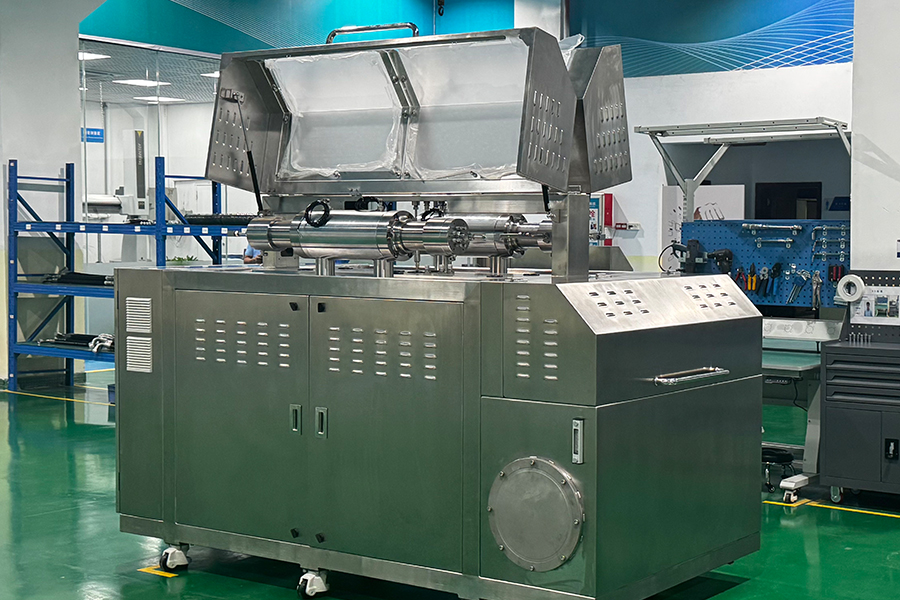
The core upstream components mainly consist of three categories, each with its own role and providing collaborative support:
The midstream segment is the core hub of the life science core equipment solution industry chain and a concentrated embodiment of a company's core competitiveness. It primarily undertakes core responsibilities such as overall equipment design and development, production line and process adaptation, system integration, testing and verification, installation and commissioning, and long-term operation and maintenance. Its core objective is to provide downstream customers with end-to-end integrated solutions, achieving optimal configuration of core equipment and efficient operation of production processes.
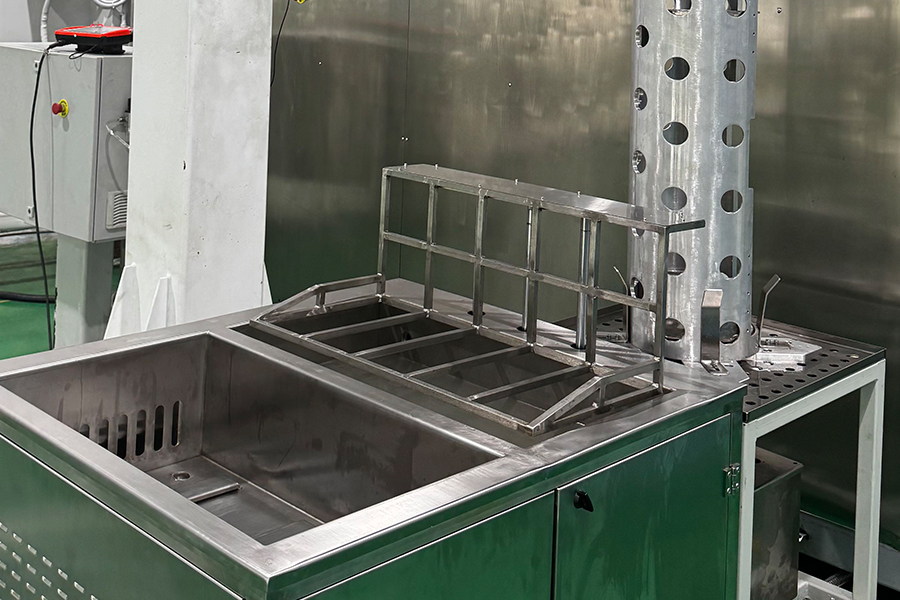
Unlike pure equipment manufacturers, the core advantage of midstream solution providers is not the ability to manufacture single equipment, but rather their comprehensive capabilities of "system integration + personalized customization + full-process service." In actual operation, midstream enterprises need to deeply understand the personalized needs of downstream customers, such as production scale, process characteristics, and quality requirements.
Combining this with materials, components, and core technologies provided by upstream suppliers, they conduct overall equipment design and development to ensure the equipment design accurately matches the customer's production needs. Subsequently, through system integration technology, they efficiently combine various core and auxiliary equipment, such as bioreactors, chromatography systems, and ultrafiltration purification equipment, to optimize production processes and achieve synergistic operation between different devices.
Before equipment delivery, rigorous testing and verification work is required, including equipment performance testing, process compatibility testing, and aseptic testing, to ensure the equipment meets industry standards and customer requirements. After delivery, professional installation and commissioning services are also provided to help customers quickly put the equipment into operation, along with long-term operation and maintenance services to promptly resolve faults and problems during equipment operation, ensuring continuous and stable production.
For midstream companies, core competitiveness is mainly reflected in three aspects:
Only companies with a complete industry chain layout can achieve seamless integration between upstream material and component supply and midstream design and integration. This not only effectively controls costs but also allows for rapid response to customer needs, improving the efficiency and quality of solution delivery, and building a strong competitive advantage.
The downstream segment represents the demand side for core equipment solutions in life sciences, mainly including biopharmaceutical companies, research laboratories, medical institutions, and other related production and research units. Among them, biopharmaceutical companies are the core demand drivers, and their changes in demand directly drive the technological iteration and development direction of the entire industry chain.
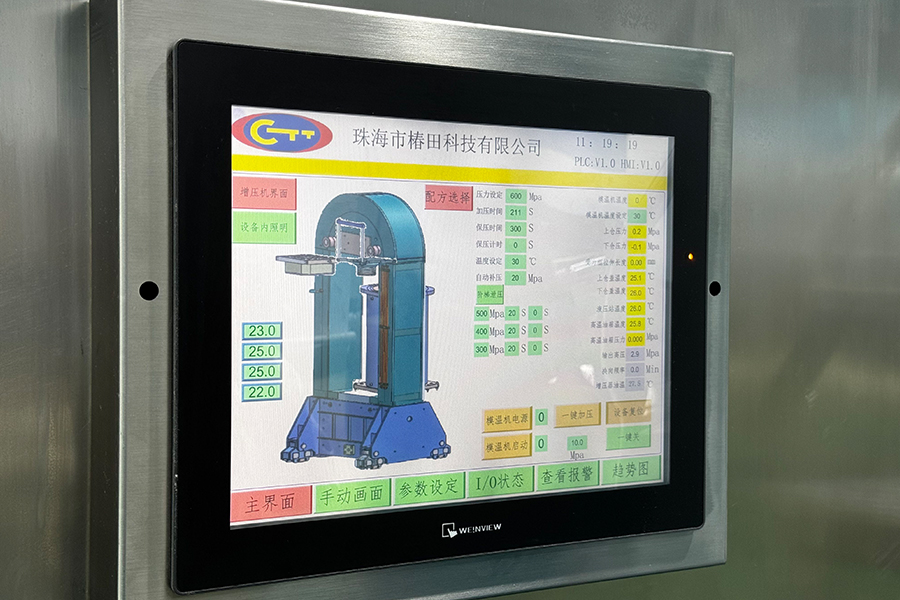
Downstream biopharmaceutical companies' core needs are efficient, stable, and safe production systems to improve product quality, optimize production efficiency, control costs, and ensure compliant production. Due to significant differences in production scale, product type, and process characteristics among different pharmaceutical companies, their demands for core equipment and solutions are also diversified and personalized.
For example, large pharmaceutical companies emphasize the scalability and intelligence of solutions to achieve large-volume, high-quality production; small and medium-sized pharmaceutical companies focus more on the flexibility and cost-effectiveness of solutions to adapt to the needs of small-batch, multi-variety production; while pharmaceutical companies focusing on high-end fields such as macromolecular drugs and cell/gene therapy have higher requirements for the technological content, precision control, and compliance of solutions.
To meet the diversified needs of downstream customers, midstream solution providers need to accurately match customers' production needs and process characteristics, and optimize solution design and integration, through joint R&D with downstream customers, process validation, and providing on-site integration services.
Meanwhile, the application scenarios and quality requirements of downstream customers will also drive the technological iteration and solution optimization of midstream enterprises. In addition, with the rapid development of the domestic biopharmaceutical industry, the demand of downstream customers for domestically produced solutions is increasing, which also provides a broad market space for domestic midstream solution providers and promotes the development of the entire industry chain towards localization and high-end.
Explore aerospace sheet metal processing, from precision cutting and forming to welding and finishing, for reliable custom aerospace components.
Discover how advanced CNC technology is transforming custom machined parts with higher precision, faster production, flexible volumes, and smarter manufacturing.
Learn how CNC machining tolerances impact automotive component accuracy and reliability, including standards, key factors, and precision manufacturing solutions.
Discover how precision machining supports HPP equipment manufacturing with high-quality custom metal parts, CNC machining, and sheet metal fabrication solutions.
Email to this supplier
Author:
Ms. CTT TECHNOLOGY (UK) LIMITED
E-mail:
Phone/WhatsApp:

Privacy statement: Your privacy is very important to Us. Our company promises not to disclose your personal information to any external company with out your explicit permission.