








Send Message
Privacy statement: Your privacy is very important to Us. Our company promises not to disclose your personal information to any external company with out your explicit permission.


In recent years, the global biopharmaceutical industry has continued to heat up. The rapid development of emerging fields such as macromolecular drugs and cell/gene therapy has directly driven up demand for core life science equipment, thereby leading to a steady expansion of the global market for core life science equipment solutions. As a significant growth engine for the global biopharmaceutical industry, China has benefited from multiple favorable factors, including government policy support, increased investment in the capital market, and accelerated domestic substitution, resulting in a market growth rate significantly higher than the global average and strong development momentum.
Globally, the market has maintained steady growth since 2020, with a market size of approximately US$18 billion that year. From 2021 to 2023, driven by factors such as the global rollout of vaccination programs and the expansion of biopharmaceutical production capacity, the market's compound annual growth rate (CAGR) remained above 8%, successfully exceeding US$22 billion in 2023. It is projected that from 2024 to 2029, with the continued development of the global biopharmaceutical industry and the large-scale development and production of emerging drugs, the global market will continue to grow steadily, with a CAGR of approximately 7.5%, reaching US$33 billion by 2029.
The domestic market performed even better, reaching approximately 8.5 billion yuan in 2020, a market previously dominated by foreign companies. In recent years, with increased government policy support for the biopharmaceutical industry, the in-depth implementation of the domestic substitution strategy, and the continuous improvement of domestic companies' technological capabilities, the market has experienced rapid growth, with a compound annual growth rate (CAGR) of 15% from 2021 to 2023, exceeding 12 billion yuan in 2023. Based on industry trend forecasts, the domestic market is expected to continue its rapid growth from 2024 to 2029, with a CAGR exceeding 14%, reaching 27 billion yuan in 2029, becoming the core driver of global market growth.
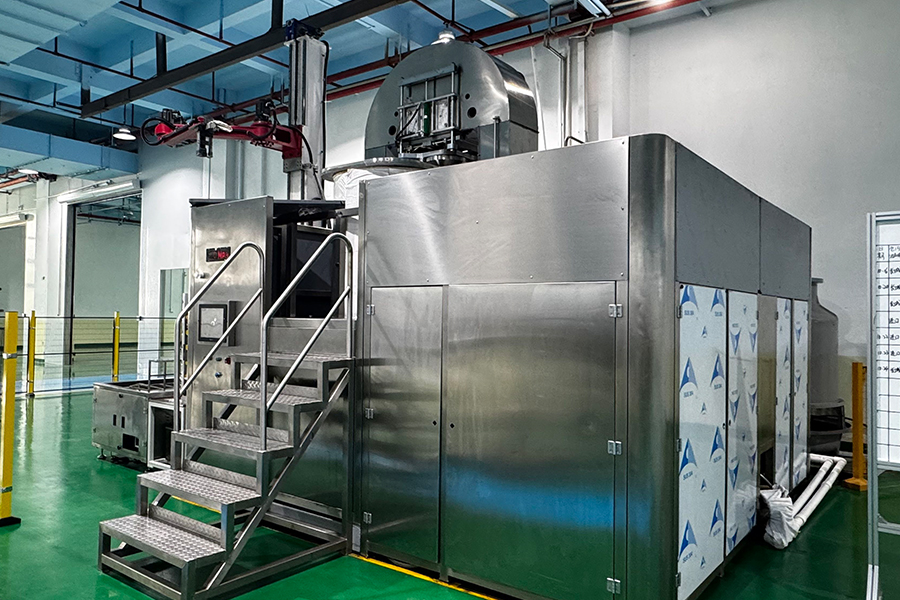
In terms of market structure, both the global and domestic markets are mainly concentrated in solutions related to bioreactors, chromatography systems, and ultrafiltration purification equipment. Bioreactor and chromatography system solutions hold a dominant position, accounting for over 60% of the combined market share. In terms of application areas, biopharmaceutical production is the core scenario, accounting for over 80% of the market share; while the share in research laboratories and medical institutions is smaller, their growth potential is significant. Meanwhile, the domestic life sciences sector boasts high capital activity and leading companies with substantial market capitalization, providing strong support for the industry. Furthermore, the high import ratio of core equipment indicates ample room for domestic substitution.
The rapid development of the global and domestic life sciences core equipment solutions market is not driven by a single factor, but rather benefits from the synergistic effect of multiple factors, including the development of the biopharmaceutical industry, downstream demand upgrades, policy support, and technological innovation. Four core driving factors jointly propel the industry towards high-quality growth.
Biopharmaceutical Capacity Expansion and Process Upgrades Directly Drive Solution Demand Growth
With the rapid development of the global and domestic biopharmaceutical industry, especially the large-scale production of macromolecular drugs (such as antibodies, vaccines, and cell/gene therapy), pharmaceutical companies' demand for efficient, reliable, and precise core equipment systems (bioreactors, chromatography systems, ultrafiltration purification equipment, etc.) continues to rise.
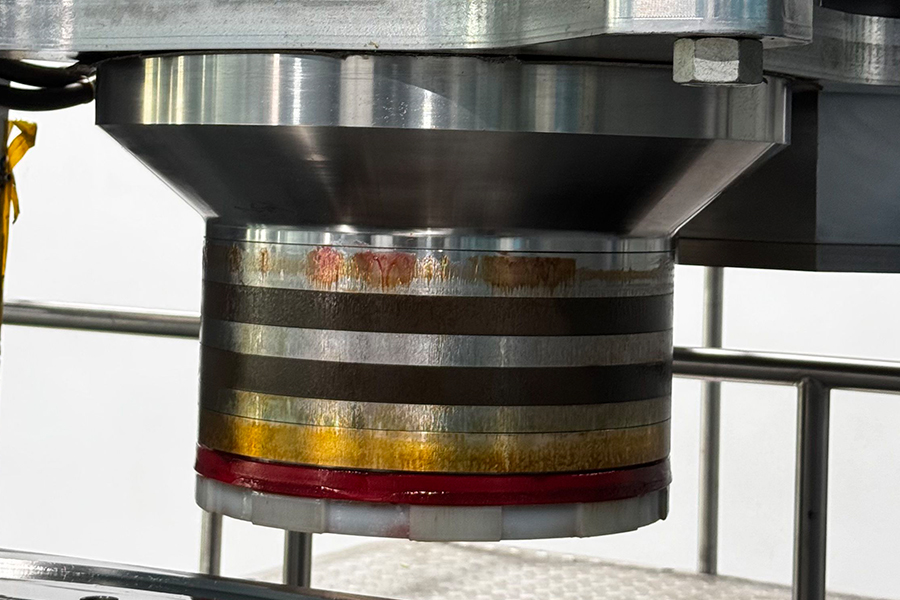
Simultaneously, pharmaceutical companies are continuously upgrading their production processes to improve product quality, optimize production efficiency, and reduce production costs, creating an increasingly urgent need for end-to-end integrated solutions, directly driving the development of the life sciences core equipment solutions market. For example, the large-scale production of cell therapy drugs places higher demands on the precision and automation levels of bioreactors, forcing solution providers to optimize their design and integration solutions and launch suitable high-end solutions.
The expanding complexity and diverse needs of downstream customers' processes are driving the upgrade of solutions towards customization. Different pharmaceutical companies have significant differences in production scale, product type, and process characteristics. Even different product lines within the same company have different production processes. This leads to increasingly higher demands from downstream customers for equipment combinations, process adaptations, and customized solutions.
Simply supplying equipment can no longer meet the diversified needs of customers, forcing core equipment manufacturers to transform into providing end-to-end, integrated customized solutions, further driving industry development. For example, large pharmaceutical companies need large-scale, intelligent solutions, while small and medium-sized innovative pharmaceutical companies need flexible, low-cost customized solutions. This difference in demand is driving the continuous segmentation and optimization of industry products and services.
In the domestic market, driven by multiple factors such as national policy support, increased capital investment, and technological breakthroughs by domestic enterprises, the domestic substitution rate of core life science equipment has continued to rise. Domestic equipment manufacturers are gradually reducing their reliance on imported high-end equipment through technological innovation and large-scale production, and the market share of domestic solutions is constantly expanding. Meanwhile, as China becomes a major global biopharmaceutical market, overseas pharmaceutical companies entering the domestic market are more inclined to cooperate with local solution providers to achieve supply chain localization.
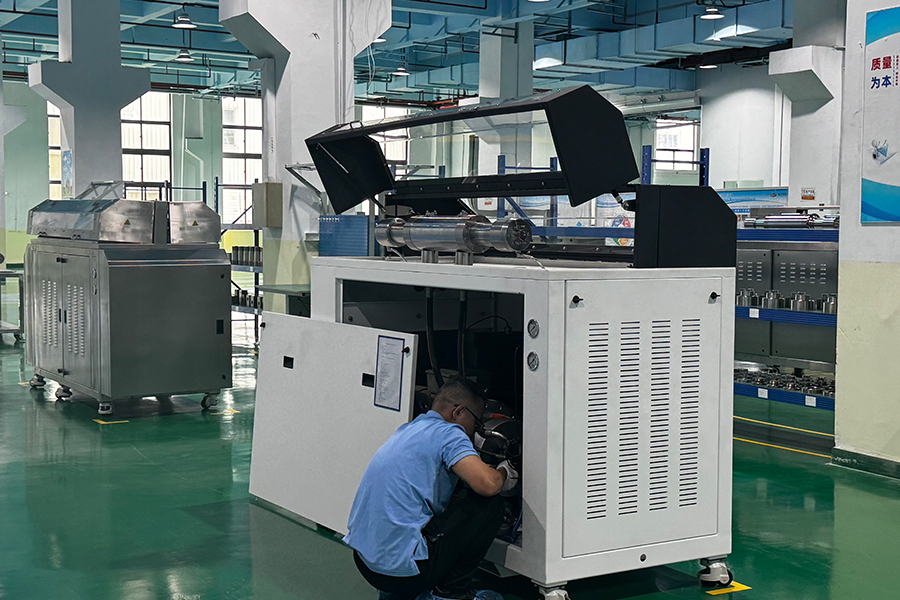
This not only promotes technological innovation and product upgrades for domestic enterprises but also helps domestic life science equipment manufacturers enhance their international competitiveness in global competition, driving domestic solutions to the global market. According to data from the General Administration of Customs, the import ratio of life science-related equipment in China remains high, indicating a vast potential for domestic substitution, which will continue to inject momentum into the industry's development.
Increasing demands for quality, compliance, and customization are driving the industry's transformation towards solution-based solutions.
Downstream pharmaceutical companies have increasingly higher requirements for product quality consistency, safety, and compliance (such as GMP standards), and the performance and operational stability of core equipment are the core prerequisites for ensuring product quality and compliance. At the same time, the significant differences in processes among different companies and the increasing demand for customization have made it impossible for simple equipment supply to meet customer needs. This has driven core equipment manufacturers to transform from "equipment suppliers" to "solution providers," focusing on end-to-end integrated services to enhance customer loyalty, build technological barriers, and promote high-quality development of the industry.
Explore aerospace sheet metal processing, from precision cutting and forming to welding and finishing, for reliable custom aerospace components.
Discover how advanced CNC technology is transforming custom machined parts with higher precision, faster production, flexible volumes, and smarter manufacturing.
Learn how CNC machining tolerances impact automotive component accuracy and reliability, including standards, key factors, and precision manufacturing solutions.
Discover how precision machining supports HPP equipment manufacturing with high-quality custom metal parts, CNC machining, and sheet metal fabrication solutions.
Email to this supplier
Author:
Ms. CTT TECHNOLOGY (UK) LIMITED
E-mail:
Phone/WhatsApp:

Privacy statement: Your privacy is very important to Us. Our company promises not to disclose your personal information to any external company with out your explicit permission.