









Send Message
Privacy statement: Your privacy is very important to Us. Our company promises not to disclose your personal information to any external company with out your explicit permission.


Material selection is crucial in the manufacturing of medical device housings. Common materials include plastics, metals, and composites, each with its own advantages and disadvantages. Plastics are lightweight and inexpensive, but their high-temperature resistance and impact resistance are relatively weak. Metals, especially stainless steel, possess excellent corrosion resistance and strength, making them ideal for demanding medical environments. For environmentally friendly materials, we need to focus on recyclable or bio-based materials. These materials reduce environmental impact and have good biocompatibility, enhancing the device's market appeal.
Furthermore, the selected materials directly affect the performance of medical devices. For example, different materials behave differently under temperature changes, pressure, and chemical corrosion, affecting the overall safety and functionality of the device. Therefore, when selecting the basic materials for medical device housings, we must comprehensively consider their performance characteristics, applicability, and safety standards to ensure that the product meets industry requirements and patient needs.
In the processing of medical device housings, quality standards are a key factor in ensuring product safety and effectiveness. First, we must adhere to internationally and domestically recognized standards, such as ISO 13485, a quality management system standard specifically developed for the medical device industry. Secondly, the selection of materials, processing precision, and post-processing must all comply with relevant regulations to meet the mechanical strength and corrosion resistance requirements of the equipment during use. Furthermore, the sterility requirements of the product must be fully guaranteed; therefore, surface treatment processes such as spraying and anodizing must be considered during the design phase to prevent microbial growth. We also need to conduct regular quality inspections and tests, including material strength testing and heat resistance testing, to ensure the reliability of the product under different environments. These quality standards not only concern the equipment itself but also directly affect patient safety and health, making them crucial aspects that cannot be ignored during the shell processing.

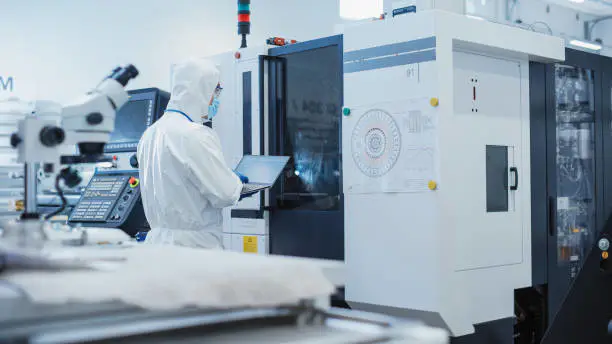
Medical Device Shell Processing Flow
In the processing of medical device shells, we commonly use methods including machining, injection molding, and extrusion molding. Machining can achieve high-precision shell manufacturing, adapting to different design requirements; while injection molding has significant advantages in mass production, enabling the production of high-quality shells in a short time. Extrusion molding is suitable for continuous production of long strip materials, which is also effective for shells with certain special structures. Regardless of the processing method, we must strictly control quality to ensure that the final product meets standards. Quality control measures primarily include incoming raw material inspection, in-process inspection, and final product testing. These steps together form a complete quality control chain. Through multiple inspections, we can minimize defects, improve the safety and reliability of medical device enclosures, and thus help our clients gain greater market recognition.
In the design process of medical device enclosures, we need to pay attention to several key factors to ensure the safety and functionality of the equipment. First, the selection of enclosure materials is crucial. We should ensure the use of high-strength, corrosion-resistant, and easy-to-clean materials, which not only extends the lifespan of the equipment but also ensures patient safety. Furthermore, the design should consider the protective performance of the enclosure, such as waterproofing and dustproofing, to meet the stringent cleanliness and hygiene requirements of hospital environments.

Additionally, we also need to pay attention to the shape and structural design of the enclosure to improve the user experience. For example, a reasonable ergonomic design can enhance the ease of operation of the equipment, making it easier for medical staff to use. At the same time, aesthetically pleasing appearance can enhance the product's competitiveness in the market. All these design considerations are to ensure that our medical devices not only have excellent performance but also better serve patients and medical staff.
In the field of medical device housing processing, we have identified several successful cases worth learning from. For example, a medical instrument manufacturing company focused on biocompatibility and corrosion resistance when selecting housing materials. By choosing high-quality polycarbonate, the company not only improved product safety but also enhanced device durability. Simultaneously, they introduced an advanced laser cutting technology into their production process, ensuring housing processing precision while reducing waste generation.
Another outstanding example is a cardiac monitoring equipment manufacturer that strictly adheres to the ISO 13485 quality management system for quality control. During the product design phase, they collaborate closely with physicians and clinical experts to ensure that the housing design is optimized to meet actual usage needs. Through these practices, the company significantly improved its market competitiveness and user satisfaction, earning industry acclaim. These success stories provide valuable experience, demonstrating the importance of material selection, process application, and quality control in medical device housing processing.
Explore aerospace sheet metal processing, from precision cutting and forming to welding and finishing, for reliable custom aerospace components.
Discover how advanced CNC technology is transforming custom machined parts with higher precision, faster production, flexible volumes, and smarter manufacturing.
Learn how CNC machining tolerances impact automotive component accuracy and reliability, including standards, key factors, and precision manufacturing solutions.
Discover how precision machining supports HPP equipment manufacturing with high-quality custom metal parts, CNC machining, and sheet metal fabrication solutions.
Email to this supplier
Author:
Ms. CTT TECHNOLOGY (UK) LIMITED
E-mail:
Phone/WhatsApp:

Privacy statement: Your privacy is very important to Us. Our company promises not to disclose your personal information to any external company with out your explicit permission.