








Send Message
Privacy statement: Your privacy is very important to Us. Our company promises not to disclose your personal information to any external company with out your explicit permission.


In the production of bus chassis, sheet metal processing is essential. Manufacturers may greatly increase the chassis's structural strength, stability, and safety by using sophisticated sheet metal processing procedures. The use of these technologies simultaneously lowers production costs and increases production efficiency. Innovation in sheet metal processing has become crucial to improving the quality and competitiveness of bus chassis, particularly in light of the growing emphasis on cost-effectiveness and environmental protection in contemporary car manufacturing.
Sheet metal processing has a direct impact on the overall structural stability and strength of bus chassis design. Manufacturers can increase the chassis's load-bearing capacity and guarantee its stability under a range of driving conditions by optimizing the design of sheet metal components. Additionally, as materials science advances, lightweight, high-strength materials are progressively taking the lead in bus chassis construction. The bus's handling and fuel efficiency are improved by the use of these materials, which also strengthen the chassis and contribute to its overall weight reduction.
Sheet metal processing prioritizes corrosion resistance in addition to enhancing bus chassis performance. Because buses are regularly subjected to saline and humid conditions while in use, corrosion-resistant sheet metal is crucial. Bus chassis can efficiently withstand the effects of hostile environments by using corrosion-resistant alloys and modern coating processes, which prolongs their service life and lowers maintenance costs.

Processing sheet metal is essential to the safety of bus chassis. By efficiently increasing the chassis's overall strength and absorbing impact forces during collisions, high-strength sheet metal materials lower the danger of passenger harm. The endurance and safety of the chassis are further enhanced by the combination of sheet metal processing and cutting-edge joining technologies like riveting and laser welding, which guarantee tight connections between components.
The sheet metal design of crucial parts, including crash beams, is essential for improving safety. These parts' impact resistance can be increased by improving their design and expanding their load-bearing surface, which will increase the bus's stability at high speeds and make travel safer.
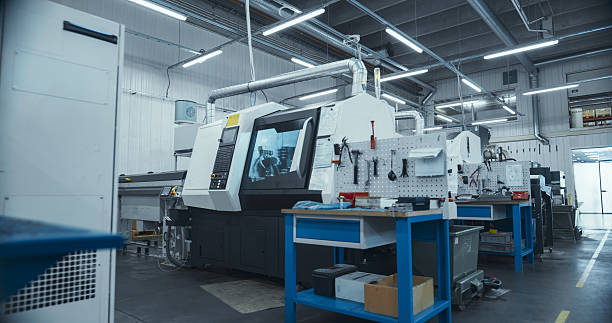
The processing of sheet metal is continuously changing in tandem with ongoing technical breakthroughs. Sheet metal processing has advanced significantly from the days of manual welding to the digital design and automated manufacturing of today. The use of contemporary sheet metal technology, particularly CNC, laser cutting, and welding technology, has greatly increased processing precision and bus chassis production efficiency. This guarantees that every batch of chassis produced has continuously excellent quality in addition to satisfying the expanding market demand.
Environmental trends are intimately linked to advancements in sheet metal processing. Lightweight, strong, and eco-friendly materials are being used by an increasing number of bus chassis producers as green manufacturing ideas gain traction. Utilizing these materials not only contributes to a vehicle's total weight reduction but also successfully lowers energy consumption, satisfying the demands of sustainable development.

In the future, sheet metal processing in the production of bus chassis will advance toward high-performance materials, green production, and intelligent manufacturing. The use of Industry 4.0 and intelligent manufacturing opens up new possibilities for improving the accuracy and productivity of sheet metal operations. Bus chassis manufacture will become more accurate and efficient with digital design and automated production, greatly increasing production quality and cutting costs.
Another significant trend in the future development of sheet metal processes is green manufacturing. Manufacturers must concentrate on using energy-efficient and ecologically friendly products to lower carbon emissions and resource waste during the production process in order to comply with increasingly strict environmental requirements. Additionally, bus chassis will be able to maintain high strength while lowering weight thanks to lightweight design and the use of innovative alloy materials, which will improve overall performance and fuel efficiency.
Future developments in sheet metal processes will heavily rely on advanced welding technologies, particularly laser and vibration welding. These solutions will ensure the safety and endurance of bus chassis by strengthening the connections between chassis components and increasing their durability.
In the construction of bus chassis, sheet metal procedures are essential because they increase the chassis's structural strength, stability, and safety while also increasing production efficiency. As a result of ongoing technical developments, sheet metal processes are progressively moving in more intelligent and ecologically friendly directions, which will open up more creative possibilities for bus chassis in the future. The performance and safety of bus chassis will continue to be greatly enhanced by sheet metal technologies, from laser cutting to the use of intelligent manufacturing.
Explore aerospace sheet metal processing, from precision cutting and forming to welding and finishing, for reliable custom aerospace components.
Discover how advanced CNC technology is transforming custom machined parts with higher precision, faster production, flexible volumes, and smarter manufacturing.
Learn how CNC machining tolerances impact automotive component accuracy and reliability, including standards, key factors, and precision manufacturing solutions.
Discover how precision machining supports HPP equipment manufacturing with high-quality custom metal parts, CNC machining, and sheet metal fabrication solutions.
Email to this supplier
Author:
Ms. CTT TECHNOLOGY (UK) LIMITED
E-mail:
Phone/WhatsApp:

Privacy statement: Your privacy is very important to Us. Our company promises not to disclose your personal information to any external company with out your explicit permission.